Santa Ana Winds: Why the City Shares Its Name With the Wind
The hot, dry offshore winds that sweep Orange County each fall take their name from Santa Ana, and they bring fire weather, allergies and crystal-clear skies.
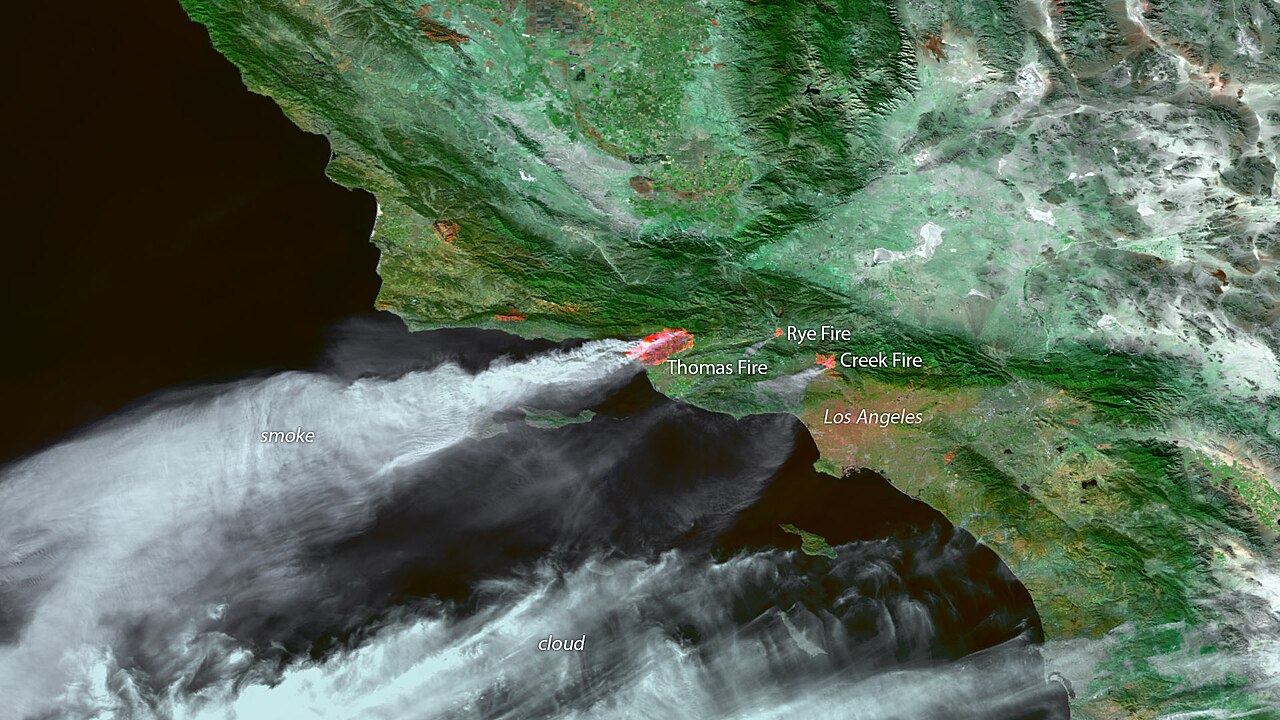
Every fall, Southern California weather reports fill with a familiar name: the Santa Ana winds. The strong, dry offshore winds that periodically sweep from the interior deserts toward the coast are named for Santa Ana, a connection most often traced to the Santa Ana Canyon, the gap in the mountains through which the wind pours toward the coastal plain and this city.

The mechanics are straightforward. When high pressure builds over the Great Basin, air flows toward lower pressure at the coast, squeezes through canyons and passes, and warms and dries as it descends. By the time it reaches Santa Ana and the rest of Orange County, it can arrive as gusty, hot, remarkably dry wind that drops humidity to very low levels and makes the whole region feel electric and restless.
The winds bring a trade-off that locals know well. On one side are some of the clearest days of the year, when the mountains stand sharp on the horizon, the ocean is visible for miles and sunsets are spectacular. On the other side is the season's most serious weather hazard: extreme fire danger, when dry vegetation, low humidity and gusty winds combine, and when utilities and fire agencies across the region go on high alert.
Practical preparation is part of fall life here. Secure loose outdoor objects before a wind event, be careful with anything that could spark outdoors, take fire-weather warnings seriously, and expect that allergies and dry skin will flare while the winds blow. Drivers of high-profile vehicles should also take gusty conditions seriously on exposed freeway stretches and canyon roads.
The name is a point of local character. Many places have fall weather; Santa Ana has its name on the weather map itself, several times a year, whether it wants the attention or not.